Why Use an AV Consultant?
When planning a new theatre, studio, educational facility, healthcare training environment or corporate workplace, audio visual technology is often one of the most critical elements of the project. Yet it is also one of the areas most likely to be overlooked until relatively late in the design process.
Many of the decisions that affect AV performance are made long before equipment is specified. Room layouts, ceiling heights, furniture arrangements, equipment locations, power provision, network infrastructure and acoustic treatments all influence how successfully technology can be integrated into a space. Once these decisions become fixed, opportunities can be lost and costs can increase significantly.
Modern buildings rely on technology to communicate, collaborate, teach, present, entertain and engage. Whether the project involves a lecture theatre, a virtual production studio, a clinical skills facility or a corporate boardroom, the success of the space often depends on how effectively technology has been integrated into the wider design.
This is where an AV consultant can make a significant difference.
An AV consultant helps clients create spaces where technology supports communication, learning, collaboration and performance. By working alongside architects, engineers and project teams from the earliest stages of a project, AV consultants help ensure that audio visual systems are fully integrated into the design rather than added as an afterthought.
What Does an AV Consultant Do?
Audio visual systems have become increasingly complex. Today’s projects frequently involve integrated technologies including audio systems, presentation displays, video conferencing platforms, streaming systems, control systems, digital signage, broadcast infrastructure and specialist production equipment.
An AV consultant provides independent expertise throughout the project lifecycle, helping clients make informed decisions about technology, infrastructure and future requirements.
This often begins during the earliest project stages, where operational requirements are defined and technology strategies are developed. As the project progresses, the consultant works alongside architects, mechanical and electrical engineers, IT specialists and other consultants to ensure that AV systems are properly coordinated within the wider building design.
The result is not simply a collection of equipment, but a carefully considered technology environment that supports the way people work, learn, communicate and perform.
The performance of AV systems is closely linked to the acoustic quality of a space, which is why AV consultants often work alongside acoustic consultants during the design process.
Theatre and Studio Projects
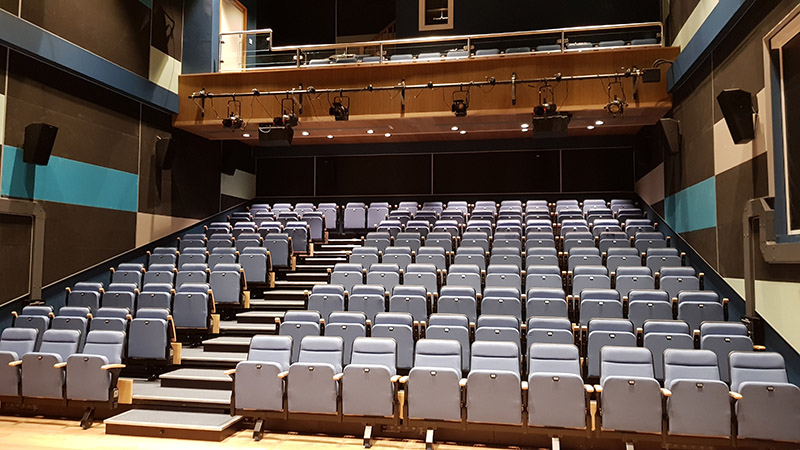
For theatres, studios and performance venues, audio visual technology is often central to the user experience.
Whether developing a new performing arts venue, refurbishing an existing theatre or creating a specialist studio facility many organisations engage specialist theatre consultancy services alongside AV consultancy to ensure audience, operational and technical requirements are considered together, successful projects require careful consideration of audience needs, production requirements and operational workflows.
AV consultants help ensure that technologies such as sound reinforcement systems, communications systems, video infrastructure and production technologies are integrated alongside lighting, acoustics, stage engineering and architectural design.
This approach is particularly valuable for theatres, drama studios, rehearsal spaces, television studios, broadcast facilities and content creation environments where technology plays a fundamental role in how the space functions.
As production technologies continue to evolve, specialist consultancy can help clients create facilities that remain flexible and relevant long after construction has been completed.
Education and Healthcare Learning Environments
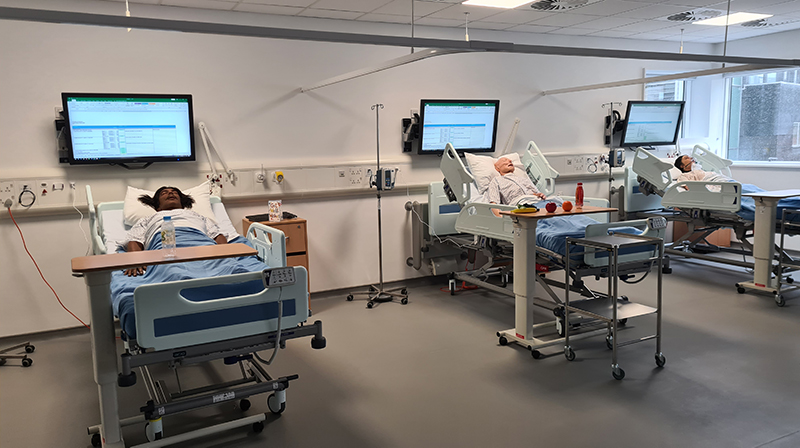
The expectations placed on educational spaces have changed dramatically over recent years.
Classrooms, lecture theatres and collaborative learning environments are increasingly expected to support blended learning, digital content delivery, recording, streaming and interactive teaching methods.
An AV consultant helps educational institutions develop technology strategies that support both current teaching practices and future developments. This can involve everything from standard teaching spaces and group study rooms through to specialist facilities such as superlabs, simulation centres and clinical skills environments.
In healthcare education, technology often plays an even more critical role. Clinical skills suites and simulation facilities require sophisticated audio visual systems to support observation, recording, assessment and feedback. These spaces frequently combine teaching, healthcare simulation and technology in ways that require careful planning and coordination.
By considering these requirements early in the design process, institutions can create environments that are intuitive to use, easier to manage and capable of supporting evolving educational needs.
Corporate Spaces and Workplace Technology
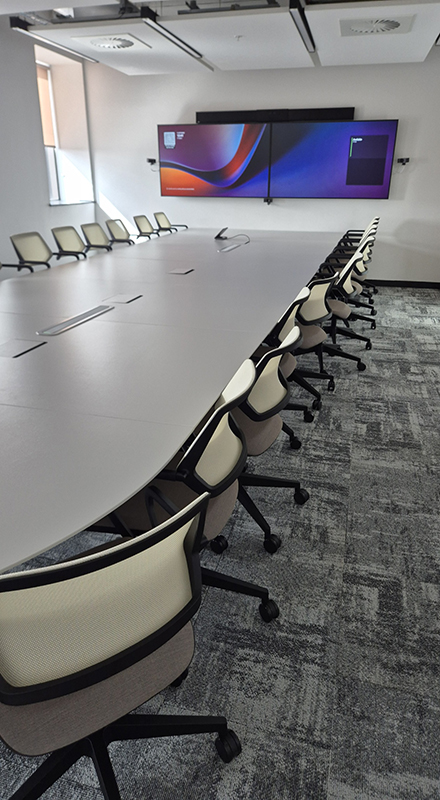
The workplace has undergone significant transformation, driven by hybrid working, digital collaboration and changing expectations around communication.
Meeting rooms are no longer simply spaces with a table and projector. Today’s organisations require environments that support seamless communication between in-person and remote participants, while providing a consistent and reliable user experience.
AV consultants help organisations plan technology for meeting rooms, boardrooms, collaboration spaces, presentation environments and workplace communication systems. They also advise on digital signage, content management systems, room booking platforms and workplace technologies that help organisations communicate more effectively with employees and visitors.
The objective is not simply to install technology, but to create spaces that are easier to use, more productive and better aligned with the needs of the organisation.
Virtual Production for Corporate Communications
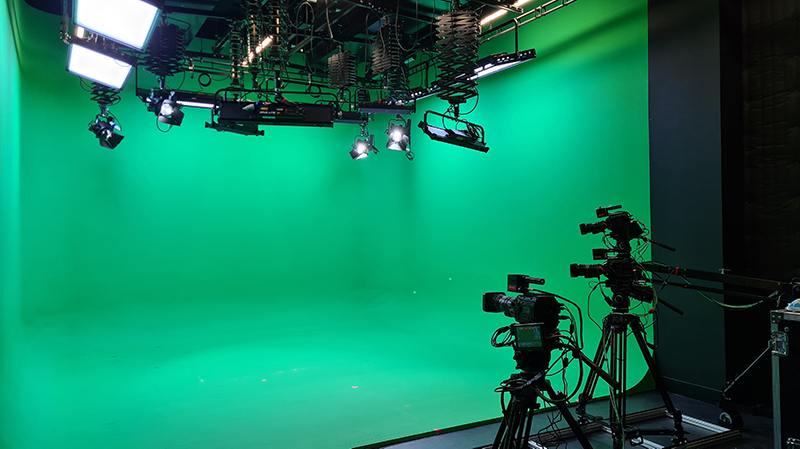
While virtual production is often associated with the film and television industries, many organisations are now exploring the technology for corporate communications, training, marketing and content creation.
Corporate virtual production studios can offer significant advantages over traditional production methods, providing organisations with greater flexibility and control over content creation.
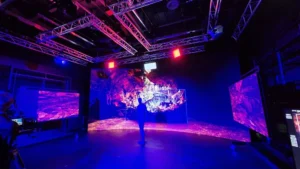
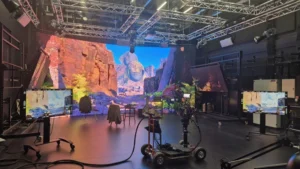
These facilities may incorporate LED volumes, virtual environments, camera tracking systems, green screen technology, broadcast infrastructure and sophisticated production workflows. However, the success of a virtual production studio depends on much more than selecting the latest technology.
Studio dimensions, operational workflows, lighting infrastructure, acoustics, cooling, power requirements and future expansion all need to be considered as part of a coordinated design strategy.
An AV consultant can help organisations determine the most appropriate approach, ensuring that investments are aligned with operational objectives and future content requirements.
Why Involve an AV Consultant Early?
One of the most common challenges encountered on building projects is that technology requirements are considered too late.
By the time audio visual systems are discussed, decisions may already have been made that affect room layouts, infrastructure routes, equipment accommodation, power requirements or network provision.
When AV consultants are involved during feasibility studies, briefing stages and early design development, these requirements can be integrated into the project from the outset. AV consultants often work alongside a venue design consultant to ensure that technology, operations and user requirements are fully integrated into the wider design of the building.
This often leads to better outcomes, fewer compromises and reduced project risk. It also enables project teams to make informed decisions before key aspects of the design become fixed.
In many cases, early consultancy can prevent costly redesigns and help ensure that technology investments continue to deliver value long into the future. Good room acoustics are often overlooked until problems emerge. Our article on the hidden impact of acoustics explains why acoustic design should be considered from the earliest stages of a project.
AV Consultant vs AV Integrator: What’s the Difference?
One of the most common questions clients ask is whether they need an independent AV consultant or whether they can simply engage an AV integrator to design and install the systems.
While both play important roles, they serve different functions within a project.
An AV integrator is responsible for supplying, installing and commissioning audio visual systems. Their expertise is essential during project delivery, and many provide excellent technical support and implementation services.
An AV consultant, however, works independently on behalf of the client. Their role is to develop the brief, define requirements, coordinate design activities and ensure that technology decisions support the project’s operational objectives.
The consultant’s advice is not tied to a particular manufacturer, product range or installation contract. Instead, recommendations are based on what is most appropriate for the project and the people who will use the space.
This independent perspective can provide significant benefits throughout the project lifecycle.
The Advantages of Independent AV Consultancy
Perhaps the greatest advantage of independent consultancy is objectivity.
Technology decisions are driven by operational requirements rather than product preferences. Systems are designed around the needs of users, future flexibility and long-term value.
Independent AV consultants also help coordinate technology with architecture, acoustics, IT infrastructure and building services, reducing the risk of conflicts during construction and installation.
When projects move into procurement, detailed specifications enable multiple integrators to tender against a clearly defined scope of works. This provides greater transparency and often results in improved value for money.
During installation and commissioning, consultants can also provide independent technical oversight, helping to ensure that systems perform as intended and that the client’s objectives are achieved.
Rather than replacing AV integrators, independent consultancy works alongside them, helping create better outcomes for clients and project teams alike.
Working Across Multiple Sectors

At Drama by Design, our AV consultancy experience spans theatres, studios, educational facilities, healthcare training environments and corporate workplaces.
We understand that every project is different. A lecture theatre has different requirements from a virtual production studio. A clinical skills suite operates differently from a boardroom. A theatre presents different challenges from a hybrid meeting environment.
By understanding how people use spaces and how technology supports those activities, we help clients develop solutions that are practical, effective and capable of adapting to future requirements.
Frequently Asked Questions
What does an AV consultant do?
An AV consultant helps clients, architects and project teams plan and design technology systems that support communication, collaboration, learning and performance. Their role may include developing technology strategies, defining project requirements, designing audio visual systems, preparing specifications, coordinating with architects and engineers, supporting procurement and reviewing installations. By providing independent advice, AV consultants help ensure that technology is aligned with the needs of users and the objectives of the project.
When should an AV consultant be appointed?
The greatest value is usually achieved when an AV consultant is appointed during feasibility studies, briefing or concept design stages. Early involvement allows technology requirements to be integrated into the wider building design before key decisions about room layouts, infrastructure, power, acoustics and building services become fixed. This often results in better outcomes, reduced project risk and fewer costly changes later in the project.
What’s the difference between an AV consultant and an AV integrator?
An AV consultant provides independent advice on behalf of the client, helping to define requirements, develop designs and ensure that technology solutions support the project’s objectives. An AV integrator is responsible for supplying, installing and commissioning the systems. While both play important roles, the consultant focuses on strategy, design and client representation, while the integrator focuses on implementation and delivery. The most successful projects often involve close collaboration between both disciplines.
Can an AV consultant help with virtual production studios?
Yes. AV consultants can play an important role in the planning and design of virtual production facilities, helping clients understand how technology, architecture and operational workflows need to work together. This may include advising on LED volumes, camera tracking systems, audio infrastructure, lighting integration, control systems, broadcast workflows and support spaces. By becoming involved early in the project, consultants can help create virtual production studios that are efficient, flexible and capable of supporting future technological developments.
Final Thoughts
Technology is now fundamental to the way people learn, collaborate, communicate and create.
By combining technical expertise with an understanding of operations, architecture and user experience, AV consultants help create spaces that are more effective, more reliable and better prepared for the future.
Whether you’re planning a theatre, studio, educational facility, healthcare training environment, boardroom or virtual production studio, early AV consultancy can help ensure that technology supports your objectives from concept through to completion.
Contact Drama by Design to discuss your project.